
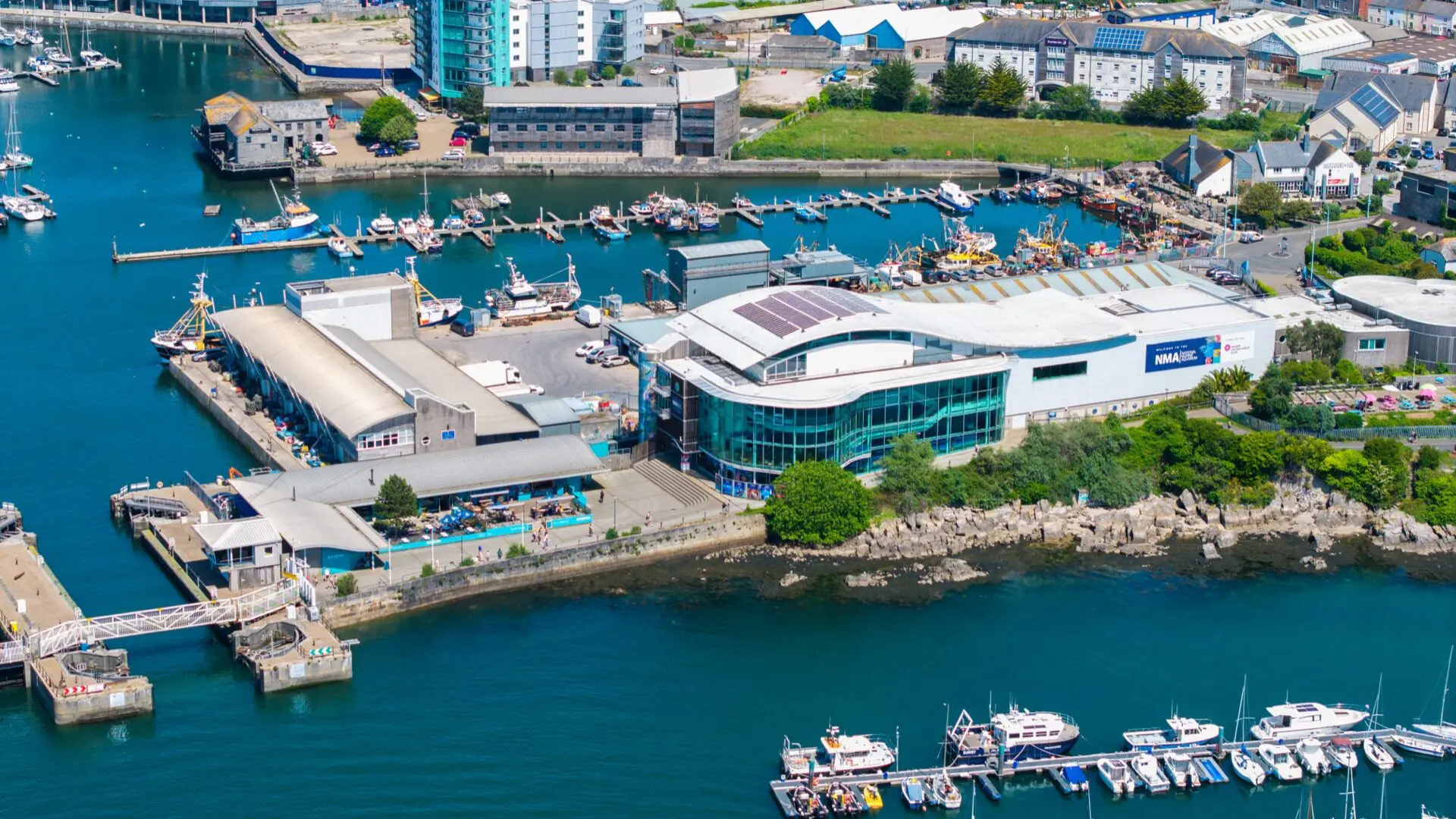
The National Marine Aquarium has achieved a mark of excellence in zoos and aquariums.
The National Marine Aquarium has attained BIAZA Accredited status for demonstrating reaching the world-class standards set by the body for the best zoos and aquariums in the UK and Ireland, confirming that the National Marine Aquarium ranks among the top zoos and aquariums in the country.
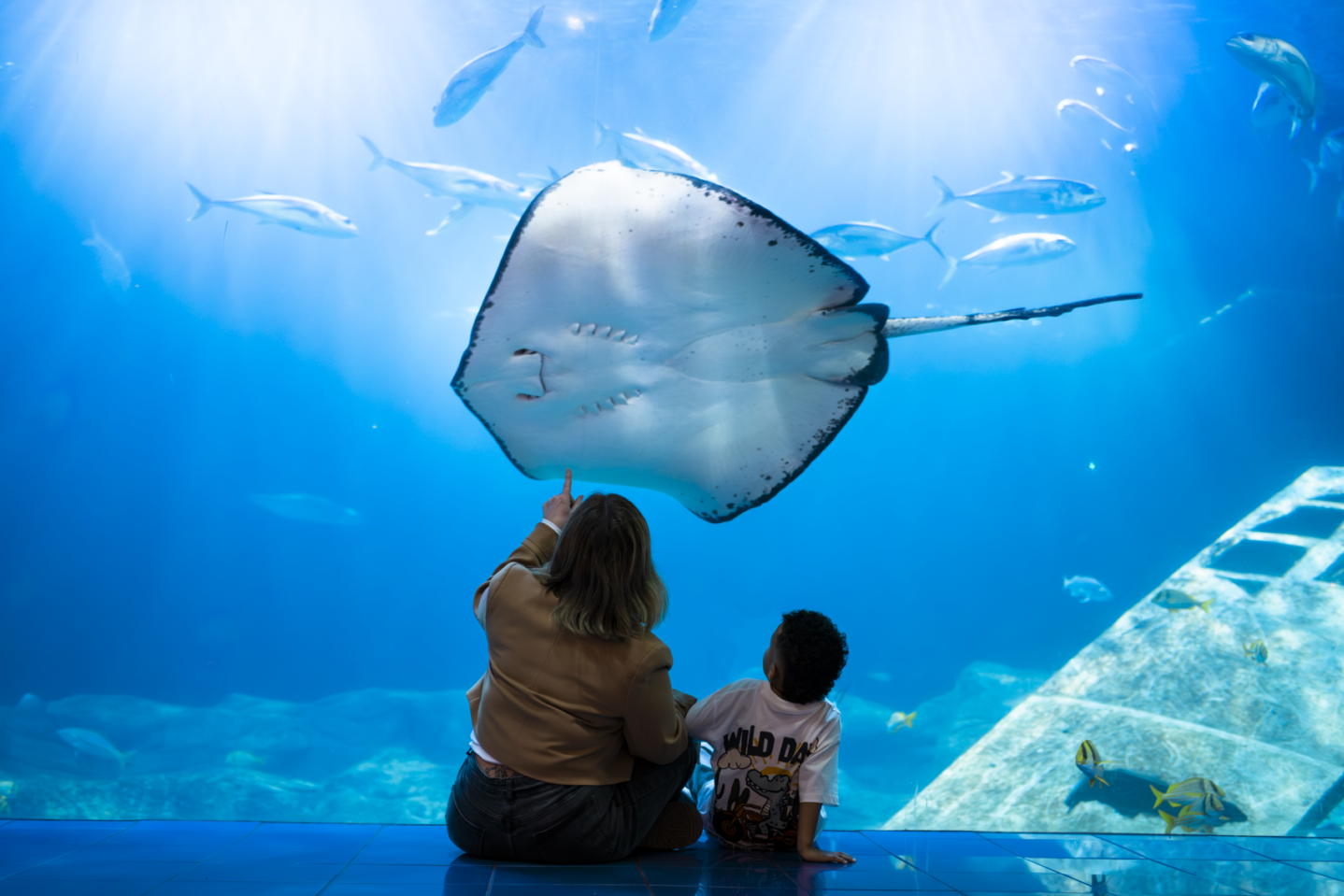
The National Marine Aquarium is among the first to be accredited in the new scheme which has been launched by BIAZA. The comprehensive accreditation process includes screenings by industry experts, questionnaires and plenty of documented evidence. The process goes above and beyond the UK/Ireland’s zoo licensing inspection and marks the extra efforts of good zoos and aquariums in providing the very best in animal care, and recognises their work to create a better planet for animals and people.
Will Payne, Assistant Curator at the Nation Marine Aquarium, said:
“As a member of BIAZA, the National Marine Aquarium has passed a rigorous accreditation process. The accreditation process is a step beyond the zoo licensing laws, proving that we maintain high standards of animal welfare, sustainability, education, research and conservation. This makes us a member of a prestigious organisation which represents and supports the best aquariums and zoos in Britain and Ireland.”
The National Marine Aquarium, which is operated by the Ocean Conservation Trust, is committed to nature and is proud of its many achievements including:
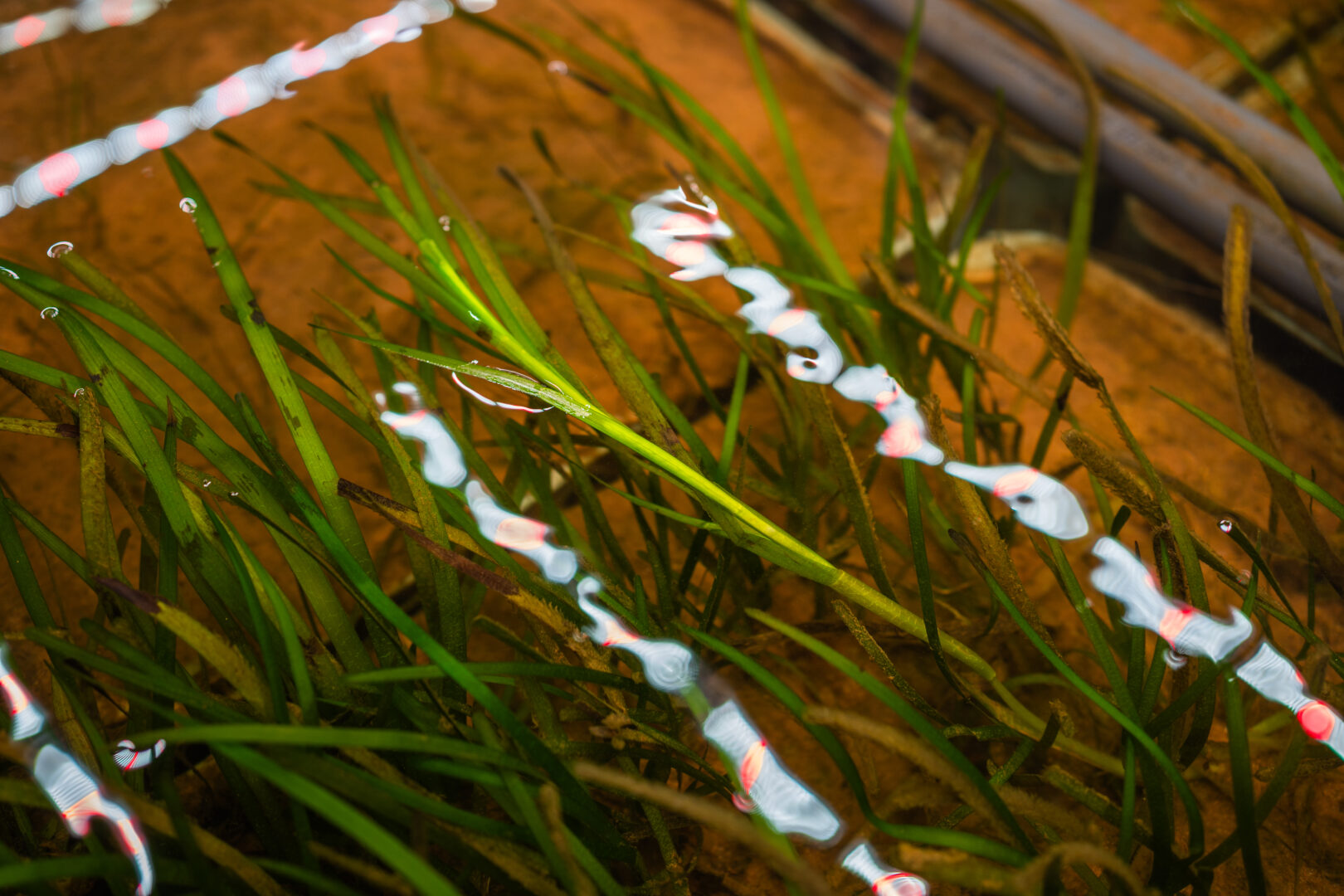
Restoring marine habitats through its Blue Meadows initiative, which undertakes holistic seagrass habitat restoration across the Southwest of England. By combining active protection, such as marking voluntary no-anchor zones and installing low-impact Advanced Mooring Systems, with large-scale seagrass cultivation, Blue Meadows aims to safeguard existing seagrass beds while restoring lost meadows. Seagrass is a vital marine habitat, acting as an important nursery for commercial fish, alongside other benefits to communities and the environment. The initiative spans conservation and public engagement. Communities can learn about the project through dedicated community events, while visitors to the National Marine Aquarium can explore immersive exhibitions and public-facing cultivation labs that bring this vital conservation work to life.
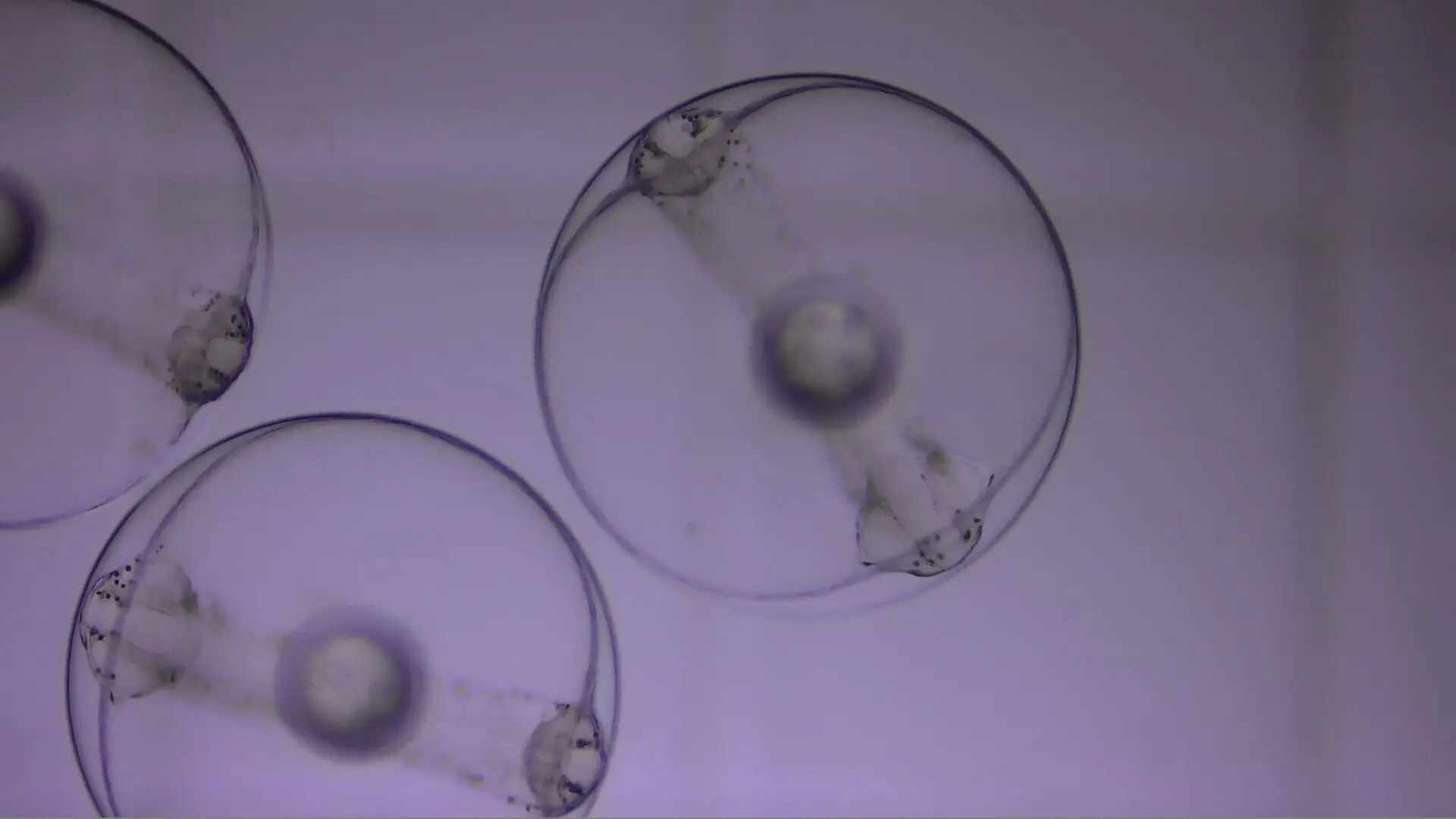
The National Marine Aquarium is partnered with the University of Plymouth to deliver a funded PhD programme focused on improving the understanding of captive breeding of tropical marine fish. Animals sourced for the aquarium industry, both for public aquariums and the commercial sector like pet shops, mostly originate from the wild; roughly 98% is from wild sources. Unfortunately, this wild collection can be highly unsustainable for the environments the species come from. Captive breeding dramatically improves the sustainability of supplying the aquarium industry but at present faces issues. Roughly 3000 species are included in the industry, but only roughly 10% of those species have ever been captive bred, and only 1% have been captive bred to a commercial level. This PhD will help develop successful protocols that can be shared amongst aquariums, so that they can become more self-sufficient and reduce pressure on wild marine life.
Ian McFadzen, CEO of the Ocean Conservation Trust, said:
“This accreditation is a powerful endorsement of our team’s dedication and our belief that outstanding animal welfare and meaningful ocean conservation are inseparable. We are immensely proud of this recognition, but our ambition is greater still: to help shape the future of responsible aquariums worldwide.”
Dr Jo Judge, the CEO of BIAZA congratulated The Ocean Conservation Trust on their achievement. She said:
“Receiving accredited status is not an easy thing to do. It is testament to the passion and hard work of every member of staff.
Our accreditation programme means visitors can be sure that BIAZA zoos and aquariums are dedicated to looking after their animals to the highest standard and to inspirational work in conservation and education. We need good aquariums more than ever. We face a nature crisis, and we have the power to make a big difference.”
In 2025, BIAZA zoos and aquariums collectively welcomed 31.4 million visits, supporting over 1000 conservation projects, 745,000 education projects and over 1,600 research projects. These ranged from saving the tiny glutinous snail from extinction to conservation breeding programmes.


